There are two ways to represent information: analog and digital.
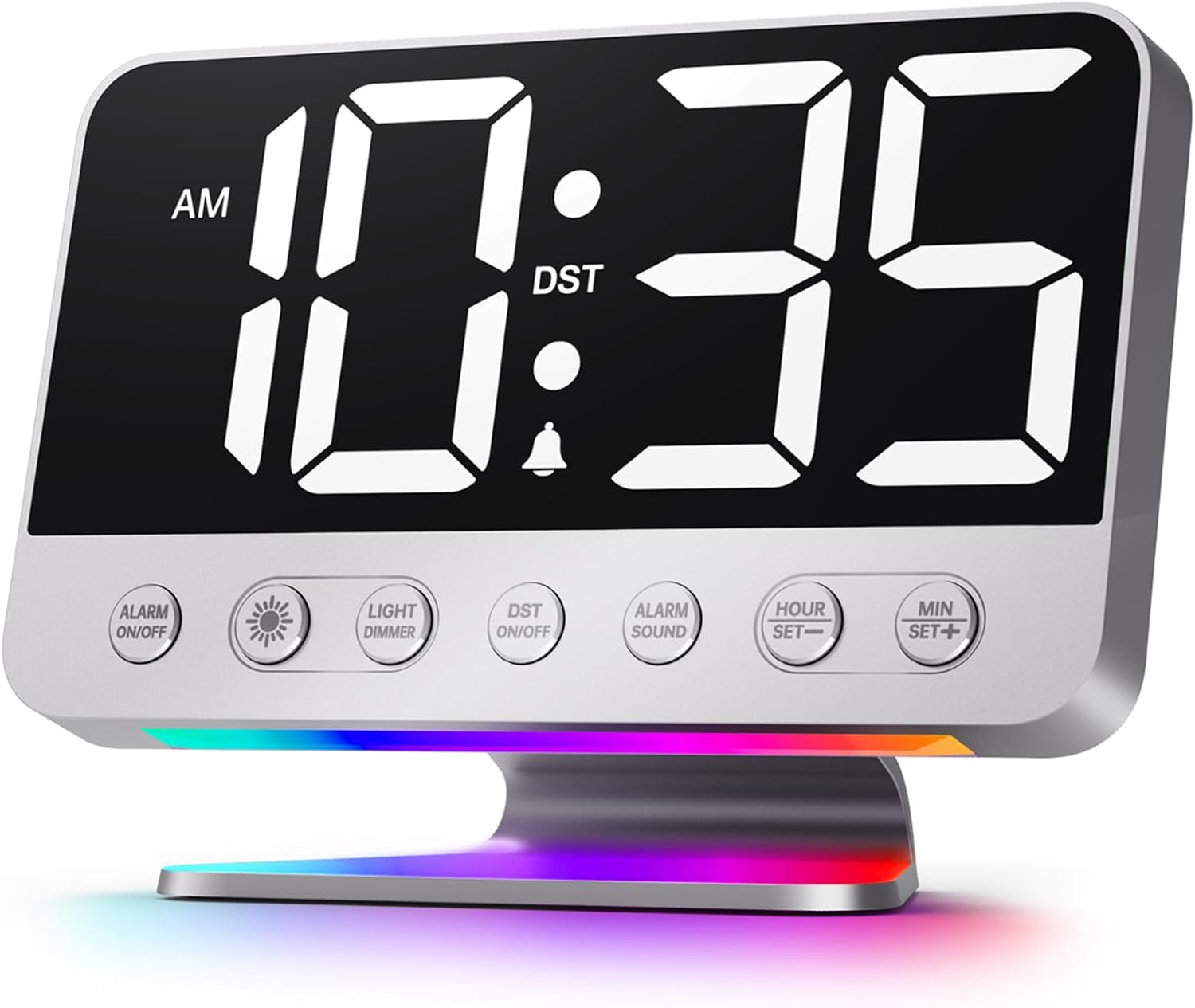
Digital information is different from analog information. Analog is continuous and can vary smoothly (like the way a traditional clock’s hand moves). Digital information is discrete and divided into separate values (like a digital clock showing exact numbers).
When something is referred to as “digital”, it means that it is something that is discrete, something that uses a binary code of 0s and 1s to represent it. This could be something like a digital audio file that captures sound to use as a series of samples. The use of the 0s and 1s allow for precise encoding so as to not lose any information. With analog, analog is more continuous and is more prone to degradation than digital. An example of this could be paintings, as overtime, paintings tend to degrade and lose their original form due to several different analog factors such as environment, damage, transportation interference, and more.
Degradation in this context can be thought of as noise, noise can cause interference in both digital and analog areas, but the difference is how well we can separate the noise from each. With digital, we are able to separate the noise from it and refer it to its original form, but with analog, it is not that easy as analog never allows us to separate the noise (or degradation) that has been inflicted upon it. This is also the reason as to why digital information is so easily copied and transmitted, it is often intact within its perfect form allowing it to remain easily transferable.
When we think of digital, we can think of things such as computers and smartphones as information on them remains the same and it is not easily lost, while in analog things such as the media or films, they can often become damaged or interfered with due to noise that deteriorates them.
From ChatGPT 4o Mini
Prompt: explain the essence of what it means to be digital. Assume you are talking to a 10th grader
Response: Sure! Imagine you’re playing a video game. In the game, everything you see—characters, objects, even the whole world—is made up of tiny pieces called pixels. Now, think of those pixels as tiny bits of information that your computer can understand and work with.
Being digital is kind of like that. It’s about using information in a way that computers can handle. Instead of things being physical, like a book or a DVD, digital stuff is stored and shared as data. This data is in the form of 1s and 0s, which are like a secret code that computers use to understand and work with information.
So, when we say something is digital, we mean it’s been turned into this code that computers can read. It could be anything—photos, music, videos, or even the words you’re reading right now. This makes it easy to share and change things quickly because computers can process and transmit this code super fast.